Case Study — Nexora
How We Built Nexora
Nexora is an enterprise AI operating system that enables teams to design, deploy, and manage AI-powered workflows without deep ML engineering expertise. From simple automations to multi-agent AI systems, Nexora abstracts infrastructure complexity while delivering enterprise-grade reliability.
Project Timeline
From Discovery to Launch
Discovery
3-week workflow pattern analysis mapping 40+ automation backlogs across 5 business units to identify the most common workflow primitives.
Architecture
Designed visual workflow builder, agent orchestration layer, YAML workflow definition language, and multi-tenant execution infrastructure.
Development
16-week build: workflow engine built, agent orchestration system developed, 100+ connectors integrated, visual builder shipped with RBAC.
Testing
SOC 2 security audit. Load testing for 10,000+ concurrent workflow executions. RBAC penetration testing across tenant boundaries.
Launch
Rolled out to 40 initial workflow automations. 10x faster AI deployment vs. previous custom-built solutions measured in first 60 days.
Discovery
3-week workflow pattern analysis mapping 40+ automation backlogs across 5 business units to identify the most common workflow primitives.
Architecture
Designed visual workflow builder, agent orchestration layer, YAML workflow definition language, and multi-tenant execution infrastructure.
Development
16-week build: workflow engine built, agent orchestration system developed, 100+ connectors integrated, visual builder shipped with RBAC.
Testing
SOC 2 security audit. Load testing for 10,000+ concurrent workflow executions. RBAC penetration testing across tenant boundaries.
Launch
Rolled out to 40 initial workflow automations. 10x faster AI deployment vs. previous custom-built solutions measured in first 60 days.
The Challenge
Our client — a global professional services firm — had 40+ AI automation ideas backlogged with their engineering team. Each one required months of development. Business teams were frustrated. Engineers were overwhelmed. The AI opportunity was being squandered by the development bottleneck.
Our Approach
How We Solved It
Workflow Abstraction Design
We spent three weeks mapping the most common enterprise AI workflow patterns: data extraction, classification, routing, summarization, and multi-step approval chains. These became the primitive operations of Nexora's workflow engine.
Multi-Agent Architecture
Designed a multi-agent orchestration layer where specialized agents (researcher, writer, validator, executor) coordinate to complete complex tasks. Each agent has defined tools, memory scope, and handoff protocols.
Visual Builder Development
Built a ReactFlow-based visual workflow designer with a component registry of 100+ pre-built connectors. The builder generates a portable workflow definition that the execution engine interprets at runtime.
Enterprise Security Layer
Implemented a comprehensive security layer with RBAC at the workflow, step, and data level. SSO integration via SAML 2.0 and OIDC was built to meet enterprise IT requirements from the start.
Multi-Tenant Scaling
Designed the platform for multi-tenancy from day one: separate workflow namespaces, per-tenant rate limiting, isolated vector stores, and custom branding support for white-label deployments.
Engineering Process
How We Built It
Workflow Definition Language
Created a portable YAML-based workflow definition language that separates workflow logic from execution infrastructure, enabling portability and version control.
Streaming Agent Responses
Implemented streaming WebSocket connections for real-time AI agent output, making long-running workflows feel responsive rather than blocking.
Vector Memory Architecture
Built a per-agent vector memory system using Weaviate that persists relevant context across workflow executions, enabling agents to improve over time.
Architecture Decisions
Key Technical Choices
Portable Workflow Definitions
Chose a declarative YAML workflow definition format over code-based definitions to enable non-engineers to review, fork, and modify workflows without development tools.
Weaviate for Vector Memory
Selected Weaviate over Pinecone for its self-hosted deployment model, critical for enterprise clients with data residency requirements.
Execution Engine Isolation
Ran each workflow execution in an isolated container with resource limits, preventing noisy-neighbor problems and enabling accurate per-tenant billing.
Platform Walkthrough
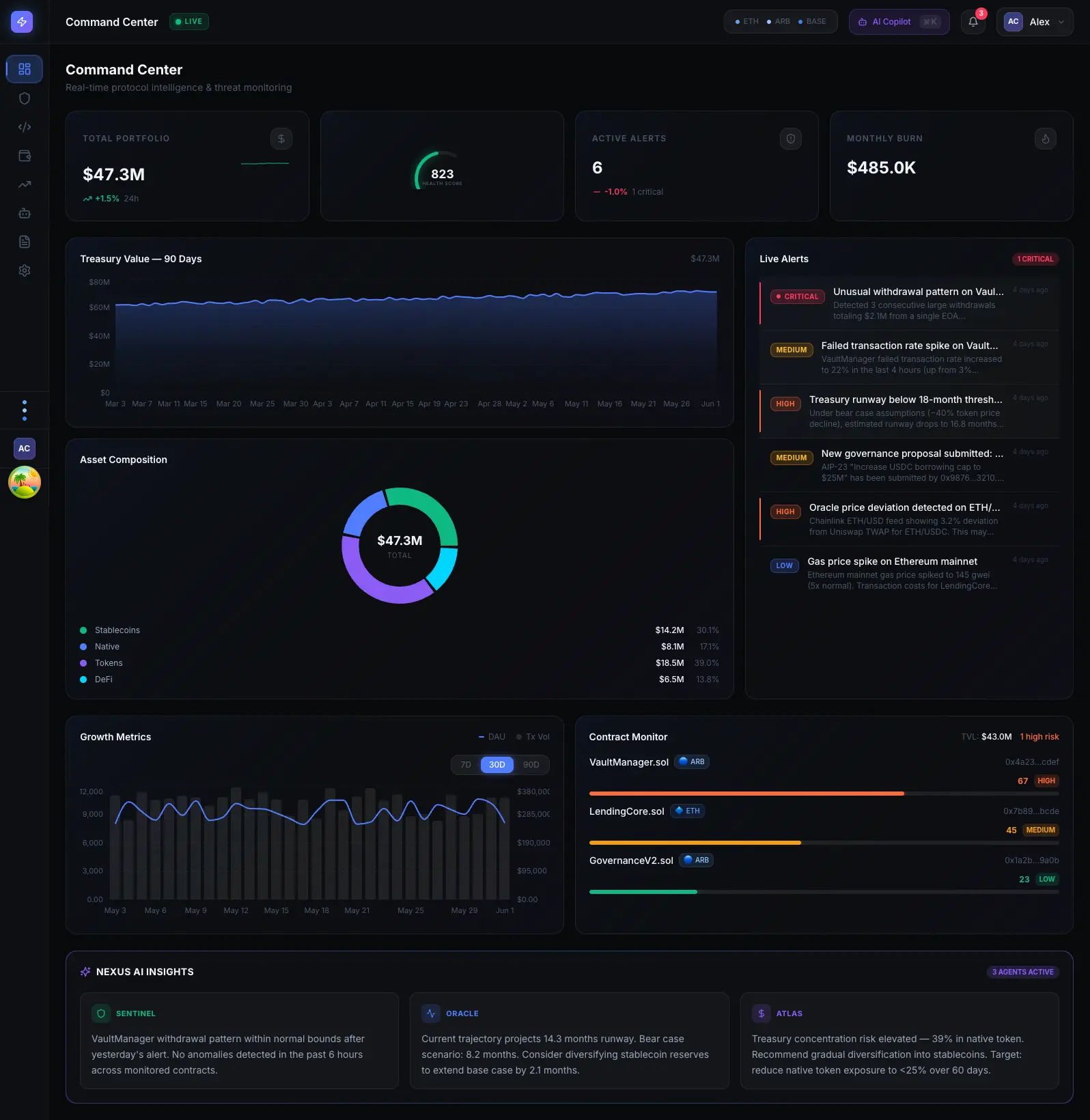
Workflow Builder
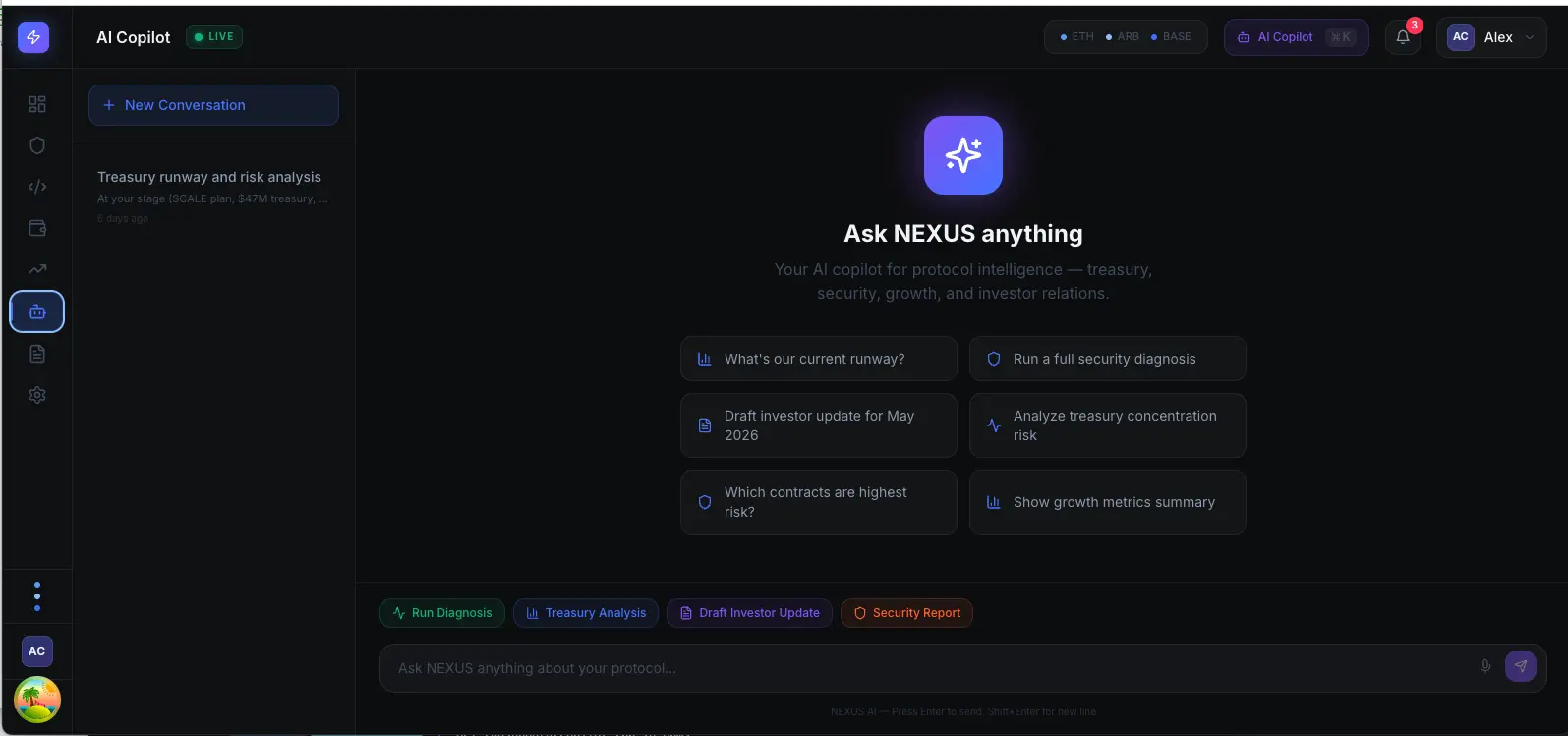
AI Copilot
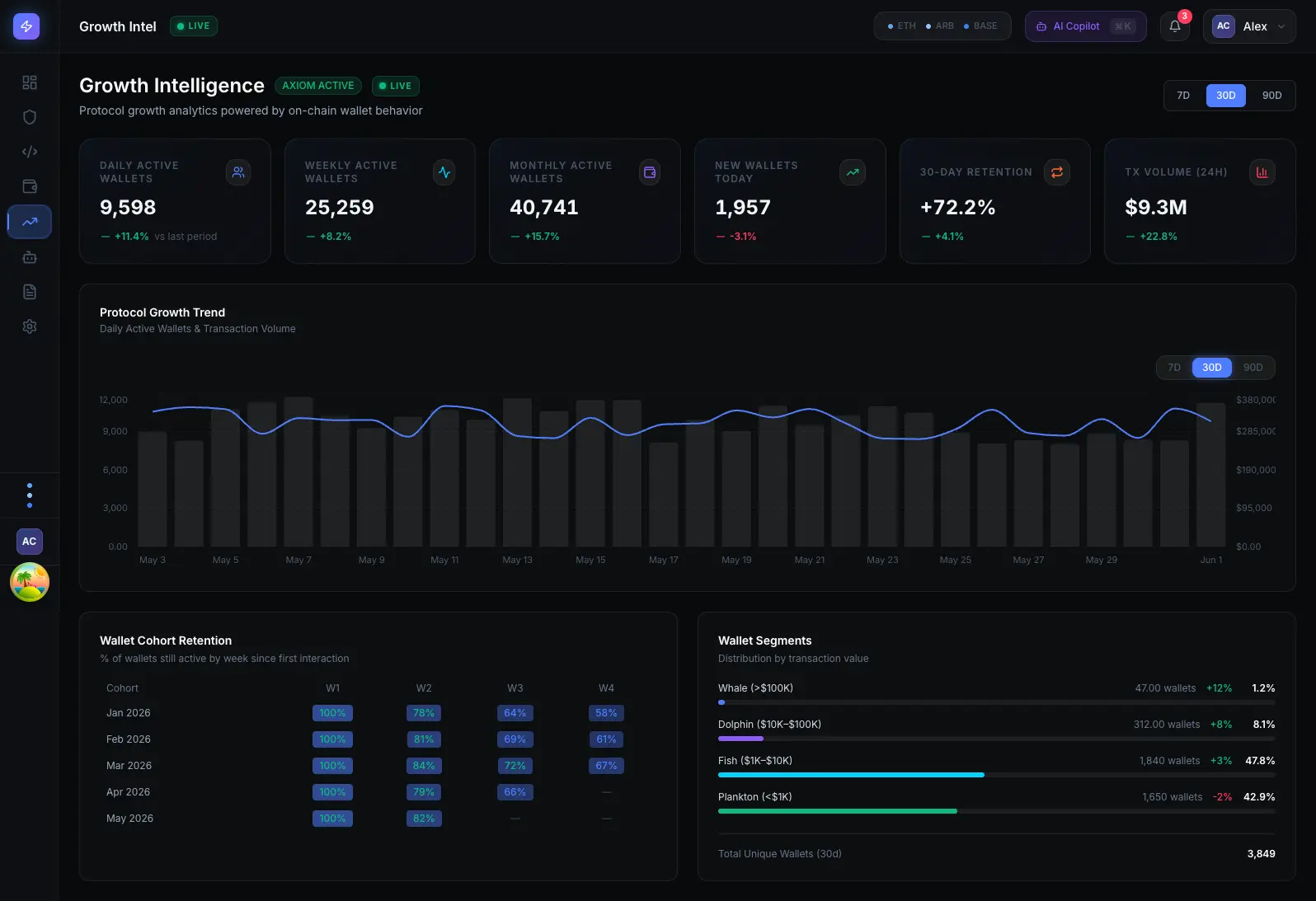
Growth Analytics
Results
What We Delivered
Lessons Learned
What We Improved
Workflow Abstraction Depth
Finding the right abstraction level took three iterations. Too abstract and users couldn't express complex logic; too granular and simple automations required excessive configuration.
Agent Memory Architecture
Shared memory across agents created unpredictable behavior. Strict per-agent memory scopes with explicit handoff protocols produced far more reliable and auditable agent interactions.
No-Code Boundaries
Every no-code platform hits a complexity ceiling. Building a code-block escape hatch from day one prevented user frustration and became one of the platform's most-used features.