Written by
Halkwinds Editorial Team
Halkwinds Research & Editorial
AI Proctoring and Academic Integrity: Balancing Detection Accuracy and Student Privacy
How institutions are architecting remote proctoring systems that catch genuine misconduct without over-flagging students or overreaching on data collection.
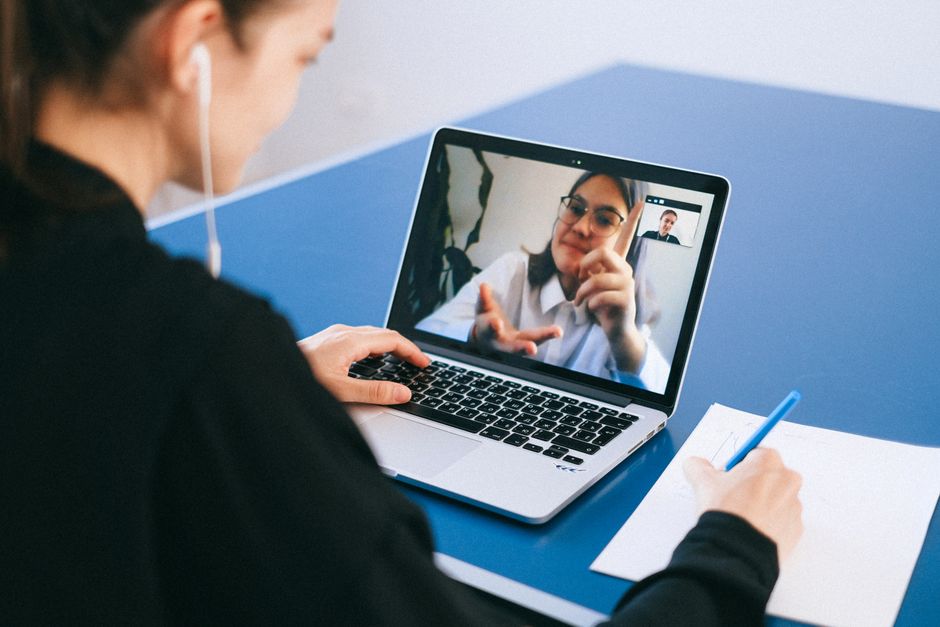
Remote and hybrid assessment made AI-based proctoring a default line item in most higher-education and corporate-training technology stacks, but the category has drawn sustained scrutiny from students, faculty senates, and regulators alike. The core tension is structural, not incidental: the same computer-vision and behavioral-analytics techniques that catch a student photographing an exam on a second device also generate false flags for a student with a tic disorder, an unstable internet connection, or simply a small dorm room with a roommate walking past camera view.
For institutions evaluating or re-evaluating a proctoring vendor, or engineering teams building assessment integrity features in-house, the decision is not whether AI proctoring works, but which detection architecture, data retention policy, and human-review workflow produces defensible outcomes at an acceptable false-positive rate. This article breaks down the detection methods in use, where they fail, what privacy and compliance obligations attach to the data they collect, and how a defensible integrity program is architected end to end.
Table of Contents
- What AI Proctoring Systems Actually Detect
- Gaze Tracking, Audio Analysis, and Environment Scanning
- False Positives: The Central Engineering Problem
- Algorithmic Bias in Face Detection and Verification
- Data Collection, Retention, and FERPA Obligations
- State Biometric Privacy Laws and Institutional Exposure
- Human-in-the-Loop Review as an Architectural Requirement
- Designing a Defensible Academic Integrity Program
Key Takeaways
- AI proctoring systems commonly flag 10-30% of sessions for some form of anomaly, but institutions that treat every flag as confirmed misconduct rather than a review trigger create outsized appeals volume and equity complaints.
- Face detection and verification models have documented and repeatedly studied accuracy disparities across skin tone and lighting conditions, making a human-review step a compliance necessity, not just good practice.
- FERPA classifies proctoring recordings and flag data as education records, which means students generally have a right to access them and institutions must limit disclosure, a requirement many vendor contracts do not address cleanly by default.
- A handful of states have biometric privacy statutes imposing specific notice, consent, and retention-limit requirements on facial geometry data, and proctoring vendors vary widely in whether they process this data in a way that triggers those statutes.
What AI Proctoring Systems Actually Detect
AI proctoring products generally combine three layers: identity verification at session start, continuous monitoring during the assessment, and post-session flag generation for human review. Identity verification typically matches a live camera capture against an ID photo or a previously enrolled face template. Continuous monitoring is where most of the computer vision and audio processing happens, watching for signals associated with unauthorized assistance: a second person entering frame, gaze patterns suggesting the student is reading from an off-screen source, unusual keyboard or mouse behavior, or audio consistent with a second voice. None of these signals independently prove misconduct; they are probabilistic indicators that a system surfaces for a human reviewer to evaluate against the full session recording.
Gaze Tracking, Audio Analysis, and Environment Scanning
Gaze tracking estimates where a student is looking relative to the screen using facial landmark detection, flagging sustained off-screen glances as a possible signal of consulting unauthorized material. It performs reasonably well for a student looking at a phone propped beside a monitor, and poorly for a student who simply looks up while thinking, has a second monitor for scratch work, or has a vision condition affecting eye movement. Audio analysis listens for a second voice or conversational patterns, which is prone to false triggers from a television, a roommate, or a video call in an adjacent room picked up by a sensitive microphone. Environment scanning, a 360-degree room sweep at session start via webcam, checks for prohibited materials or a second person present, and raises its own privacy question: it captures a live view into a private residence, often including a partner, child, or roommate who is not the test-taker and never consented to being recorded.
False Positives: The Central Engineering Problem
The single biggest determinant of whether an institution's proctoring program is defensible is its false-positive rate, and specifically what happens after a false positive occurs. A system tuned aggressively to catch every possible instance of misconduct will flag a meaningful share of legitimate sessions, and if flags are treated as findings rather than leads, students face academic integrity proceedings, sometimes with disciplinary consequences, over connectivity issues, involuntary movements, or a sibling walking into frame. Institutions we've advised through this problem get better outcomes tuning detection thresholds conservatively and routing every flag through mandatory human video review before any integrity charge is filed, treating the algorithm as a triage tool rather than an adjudicator.
Algorithmic Bias in Face Detection and Verification
Face detection and verification models have a well-documented history of lower accuracy for darker skin tones and for certain lighting conditions common in lower-cost webcams, a finding replicated across multiple independent studies of commercial face-recognition systems generally, not proctoring products specifically. In a proctoring context, this can translate into students of color being disproportionately flagged for identity-verification failures or face-not-detected errors during monitoring, not because of any behavioral signal, but because the underlying model performs less reliably on their images. Any institution deploying face-based proctoring should request bias-testing documentation from the vendor covering performance across demographic groups and lighting conditions, and should track flag rates by these categories internally to catch disparate impact early rather than after a formal complaint.
Data Collection, Retention, and FERPA Obligations
Under FERPA, records created and maintained in connection with a student's education, which proctoring session recordings and flag reports clearly are, qualify as education records. That triggers two obligations institutions frequently underweight: students generally have a right to inspect and review these records, including footage of themselves, and the institution must limit disclosure to third parties without consent or a legitimate educational interest, which extends to how a vendor is permitted to use or retain the data. Proctoring contracts should specify retention periods explicitly, commonly ranging from 30 days to a full academic term depending on the vendor and institutional policy, and should confirm the vendor is contractually bound as a school official for FERPA purposes rather than an independent data controller free to use recordings for model training or other purposes.
State Biometric Privacy Laws and Institutional Exposure
Facial geometry captured during identity verification or continuous gaze tracking can qualify as biometric identifier data under state statutes such as Illinois's Biometric Information Privacy Act and comparable laws in a growing number of other states, which typically require written notice, explicit consent, a publicly available retention schedule, and specific destruction timelines. These laws generally carry private rights of action or statutory penalties, which is a materially different risk profile than a standard privacy policy violation. Institutions operating in or enrolling students from states with biometric statutes should confirm with their proctoring vendor, in writing, whether the system's identity-verification method legally qualifies as biometric processing under that state's specific statutory definition, since vendors vary in architecture and not all necessarily trigger the same obligations.
Human-in-the-Loop Review as an Architectural Requirement
Every defensible AI proctoring deployment we've seen treats human review as a required architectural component, not an optional add-on. That means flagged sessions route to a trained reviewer who watches the actual footage before any action is taken, reviewers receive documented criteria distinguishing a genuine integrity violation from an artifact of the detection system, and the student has a clear, timely path to see the specific flag and footage triggering the concern and respond before a finding is made. Systems that surface a numeric "integrity score" directly to instructors without this review layer push the adjudication burden onto faculty who have no training in interpreting the underlying signal, which is where a large share of unfair outcomes originate.
Designing a Defensible Academic Integrity Program
A defensible program starts by choosing detection methods proportionate to the assessment's stakes: a low-stakes weekly quiz rarely justifies full room-scanning and continuous face tracking, while a licensing or certification exam might. It requires clear, advance disclosure to students of exactly what is monitored, how long data is kept, and who can access it, published in a syllabus or institutional policy rather than buried in a vendor's terms of service. It requires the bias-testing and FERPA-compliance documentation discussed above, secured before signing a vendor contract, not after a complaint. And it requires an appeals process that gives students access to the actual flagged footage and a genuine opportunity to explain context, rather than treating a system-generated score as dispositive.
None of this argues against AI proctoring as a category; it argues for treating it as a high-stakes system requiring the same rigor institutions apply to other consequential automated decisions affecting students, a theme we explore further in our broader work on student data privacy under FERPA, COPPA, and state law. If your institution is evaluating a proctoring vendor or building integrity tooling in-house and wants an architecture and compliance review before rollout, reach out to our team.
Frequently Asked Questions
Are AI proctoring flags proof of academic misconduct?
No. Flags are probabilistic indicators meant to route a session for human video review, not confirmed findings. Institutions that treat a flag as proof rather than a lead expose themselves to a high rate of unfair outcomes and appeals.
Does AI proctoring discriminate against students of color?
Face detection and verification models have documented accuracy disparities across skin tone and lighting conditions in independent studies of commercial face-recognition systems generally. This can produce disproportionate identity-verification and monitoring flags for students of color unless the specific vendor's system has been independently bias-tested and the institution monitors flag rates by demographic group.
Is proctoring footage covered under FERPA?
Yes. Recordings and flag data created in connection with a student's assessment generally qualify as education records under FERPA, giving students inspection rights and limiting how the institution and its vendor can disclose or use the data.
Do biometric privacy laws apply to AI proctoring?
They can. Facial geometry data captured for identity verification or gaze tracking may qualify as biometric identifier data under state statutes such as Illinois's BIPA, which impose notice, consent, and retention obligations. Whether a specific proctoring system's architecture actually triggers these requirements varies by vendor and should be confirmed in writing.
What is the single most important safeguard institutions should require from a proctoring vendor?
A mandatory human review step before any flagged session results in an academic integrity charge. This one architectural requirement addresses false positives, bias risk, and due process concerns more directly than any detection-accuracy improvement alone.
Explore Further