Written by
Halkwinds Editorial Team
Halkwinds Research & Editorial
Fan Engagement Technology: Ticketing, Streaming, and Second-Screen Platforms
How sports organizations architect the technology stack behind modern fan experience — from dynamic ticketing to synchronized second-screen content.
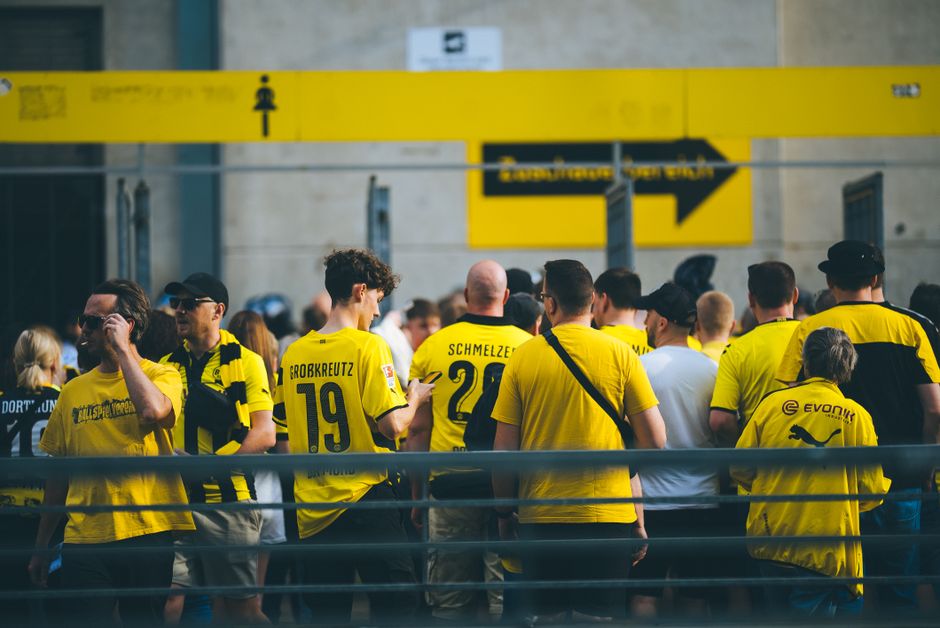
Fan engagement technology has expanded well past the ticket booth. Modern sports organizations manage dynamic pricing ticketing platforms, direct-to-consumer streaming infrastructure, and second-screen experiences that sync supplementary content to a live broadcast in real time — each with its own technical demands and its own way of directly affecting revenue.
Table of Contents
- Dynamic Ticketing: Pricing Engines and Inventory Management
- Direct-to-Consumer Streaming Infrastructure
- Second-Screen Synchronization Architecture
- Fan Data Unification Across Touchpoints
- Scaling for Peak Demand Events
Key Takeaways
- Dynamic ticketing pricing engines adjust prices based on real-time demand signals (opponent strength, day of week, weather, secondary market activity), requiring integration between the primary ticketing platform and demand-forecasting models.
- Direct-to-consumer streaming infrastructure has to be architected for extreme, predictable traffic spikes at kickoff or tip-off, which is fundamentally different scaling behavior than typical web application traffic patterns.
- Second-screen synchronization — showing supplementary stats or camera angles timed precisely to the live broadcast — requires a low-latency timing signal shared between the broadcast feed and the companion app, which is a harder synchronization problem than it initially appears.
- Fan data unification across ticketing, streaming, merchandise, and loyalty touchpoints is commonly the highest-value but most technically demanding investment, since these systems are frequently built by different vendors on different timelines with no shared identity model.
Dynamic Ticketing: Pricing Engines and Inventory Management
Modern ticketing platforms increasingly use dynamic pricing engines that adjust ticket prices in near real time based on demand signals — how quickly a section is selling, opponent quality, day of week, weather forecast, and even secondary market resale prices for comparable events. Building this requires integrating the primary ticketing platform's inventory and transaction system with a pricing engine that ingests these demand signals continuously, and it requires careful guardrails (price floors and ceilings, fan-facing communication about dynamic pricing) since aggressive algorithmic pricing without guardrails can generate significant fan backlash even when it technically maximizes revenue.
Direct-to-Consumer Streaming Infrastructure
Sports streaming has a traffic pattern most consumer applications don't face: near-zero traffic most of the time, followed by an extreme, largely predictable spike at a specific kickoff or tip-off time, sustained for the length of the event. This predictability is actually an architectural advantage — infrastructure can be pre-scaled ahead of a known event start time rather than relying purely on reactive autoscaling, which is critical since streaming quality degradation in the first few minutes of a game is exactly when fan frustration and churn risk is highest. Content delivery network capacity planning, origin server scaling, and encoding pipeline redundancy all need to be sized against the specific expected concurrent viewer peak for each event, which can vary enormously between a marquee matchup and a routine regular-season game.
Second-Screen Synchronization Architecture
Second-screen experiences — a companion app showing real-time stats, alternate camera angles, or fantasy sports data timed to match what's happening in the live broadcast — depend on a synchronization mechanism connecting the broadcast feed's timing to the app's content delivery. This is a harder problem than it sounds: broadcast delay varies by distribution method (cable, streaming, over-the-air) and by viewer's specific connection, meaning a naive server-side timestamp won't align consistently across different viewers' actual broadcast delay. Robust implementations typically use a synchronization signal embedded in or alongside the broadcast feed itself, or ask the app to calibrate against the viewer's specific stream, rather than assuming a fixed, universal delay.
Fan Data Unification Across Touchpoints
Ticketing, streaming subscriptions, merchandise purchases, and loyalty program activity are frequently managed by different systems, often from different vendors procured at different times, with no shared fan identity model connecting them. This fragmentation is usually the biggest obstacle to the kind of unified fan experience and targeted marketing sports organizations want to build — recognizing that a season ticket holder is also a streaming subscriber and a merchandise customer requires an identity resolution layer connecting these systems, which is frequently a bigger and more valuable engineering investment than any single touchpoint's technology.
Scaling for Peak Demand Events
Major events — championship games, marquee matchups, ticket on-sales for high-demand events — generate simultaneous, extreme load across ticketing, streaming, and fan engagement systems at once, and this load is largely predictable in advance since the event schedule is known well ahead of time. Organizations that treat these peak events as planned capacity events, with pre-scaled infrastructure, load testing against realistic peak scenarios, and a defined incident response plan for the specific event window, consistently outperform those relying on reactive scaling alone, since a ticketing system outage during a high-demand on-sale or a streaming outage at kickoff both generate outsized fan frustration and revenue impact relative to their duration.
Fan engagement technology architecture connects closely to the data platforms powering modern sports analytics — see our related piece on sports analytics and player tracking data architecture. If you're building or scaling fan engagement technology, contact our team.
Frequently Asked Questions
Does dynamic ticket pricing risk alienating fans?
It can, if implemented without guardrails or clear communication — organizations that combine dynamic pricing with price floors, ceilings, and transparent fan communication generally see better reception than those applying aggressive algorithmic pricing without any guardrails.
Why is streaming traffic for live sports different from typical web traffic?
Sports streaming traffic is near-zero most of the time with an extreme, but largely predictable, spike at a known kickoff time, which allows infrastructure to be pre-scaled ahead of the event rather than relying purely on reactive autoscaling.
Why is second-screen synchronization harder than it seems?
Broadcast delay varies by distribution method and individual viewer connection, so a fixed universal timestamp won't align consistently — robust implementations need a synchronization signal or per-viewer calibration rather than assuming uniform delay.
What's the biggest obstacle to a unified fan experience across ticketing, streaming, and merchandise?
Fragmented systems, often from different vendors with no shared fan identity model, which requires a dedicated identity resolution layer to connect — this is commonly a bigger investment than any single touchpoint's underlying technology.
How should organizations prepare technology for major, high-demand events?
By treating them as planned capacity events with pre-scaled infrastructure, realistic load testing ahead of time, and a defined incident response plan specific to that event window, rather than relying on reactive scaling during the event itself.
Explore Further