Written by
Halkwinds Editorial Team
Halkwinds Research & Editorial
Future of Telemedicine: AI, Remote Monitoring & Patient Experience
How AI-enabled remote monitoring and telehealth platforms are reshaping care delivery models beyond the video-visit era.
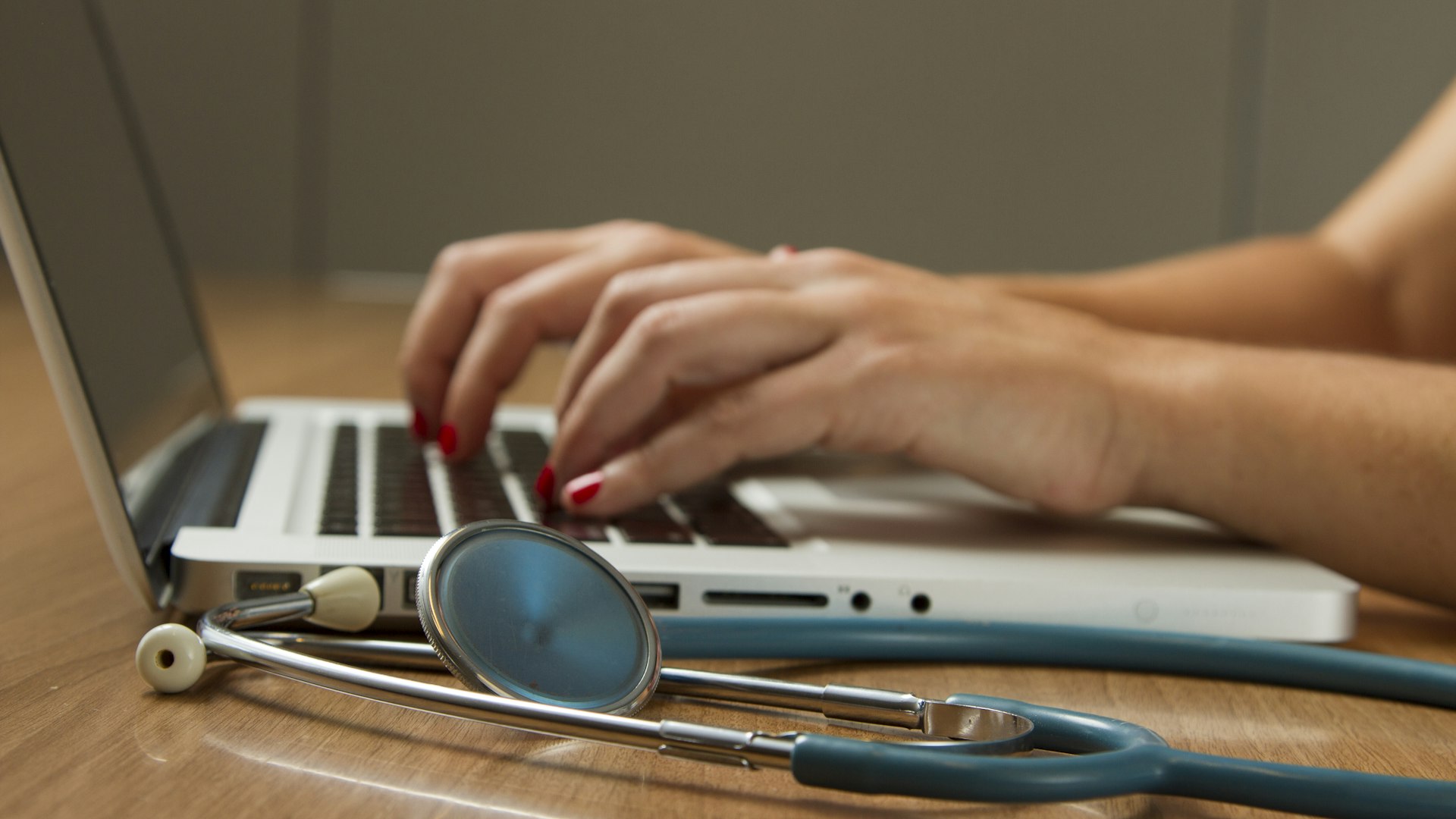
Telemedicine had its forced scaling moment during 2020–2021, when virtual visits went from a niche convenience to the default care modality for millions of patients. What the pandemic exposed was not just that telemedicine was technically viable, but that the healthcare system's assumptions about when in-person care was necessary were often wrong. Four years later, the question is no longer whether telemedicine has a permanent place in healthcare delivery — it does — but what it looks like when it matures.
This article examines the trajectory of telemedicine in 2026: where AI is expanding its capabilities, how remote monitoring is extending care beyond the video visit, and what healthcare organizations need to build to remain competitive in a hybrid care environment.
Table of Contents
- The State of Telemedicine in 2026
- AI's Role in the Next Generation of Virtual Care
- Remote Patient Monitoring: Extending Care Between Visits
- Hybrid Care Models: Designing the Optimal Patient Journey
- Technology Requirements for Modern Telemedicine Platforms
- Regulatory Landscape
- Patient Experience: What Separates Good from Great
- How Halkwinds Builds Telemedicine Platforms
- FAQs
Key Takeaways
- Telemedicine is no longer a standalone service — it is one modality in an integrated care delivery model that includes in-person, virtual, and asynchronous care
- AI is transforming telemedicine from a video call with a doctor into an intelligent care coordination platform
- Remote patient monitoring, when properly integrated with clinical workflows, changes the economics of chronic disease management
- Patient experience — not just clinical functionality — determines whether patients use a telemedicine platform or abandon it after one visit
The State of Telemedicine in 2026
Post-pandemic telemedicine utilization stabilized at approximately 15–20% of all outpatient visits by 2024, down from the 2020 peak but dramatically above pre-pandemic levels. More significant than the volume is the distribution: telemedicine has become the preferred modality for specific visit types (behavioral health, medication management, chronic disease follow-up, dermatology triage) while in-person care remains dominant for procedural visits and complex physical examinations.
The organizations that have succeeded in telemedicine are not those that simply offered video visits — they are those that redesigned their care delivery model around a hybrid framework that deploys each modality where it provides the most value. That requires technology, workflow design, and clinical protocol changes operating in concert.
AI's Role in the Next Generation of Virtual Care
Pre-Visit Intelligence
AI systems operating before the telemedicine encounter have access to the patient's full health record and can prepare the visit in ways that in-person scheduling cannot. Pre-visit AI can review the patient's EHR for care gaps, generate a pre-visit summary for the clinician, identify relevant recent lab results or medication changes, suggest visit agenda topics based on active problem list and recent data, and flag patients who may need in-person escalation rather than virtual management.
Clinicians who receive AI-prepared visit briefings report higher-quality encounters and fewer documentation gaps — the visit starts with context rather than recollection.
Symptom Assessment and Triage
AI symptom assessment tools that guide patients through structured interviews before the visit serve two purposes: they prepare the clinician with organized symptom data, and they identify patients who need urgent or emergency care rather than a scheduled virtual visit. When integrated with scheduling, these tools can route patients to the appropriate care setting automatically — telemedicine for manageable presentations, urgent care for moderate-acuity, emergency for high-acuity.
Clinical Decision Support During the Visit
AI-powered clinical decision support surfaced during the telemedicine encounter — relevant guidelines, drug interaction alerts, differential diagnosis suggestions based on documented symptoms — provides cognitive augmentation without disrupting the patient-clinician interaction. The best implementations are invisible to the patient and ambient in their presentation to the clinician.
Computer Vision for Remote Physical Examination
AI-assisted remote physical examination is moving from research to clinical use in specific applications: skin condition analysis from patient-submitted photos (dermatology triage), wound assessment and healing trajectory tracking, and gait analysis for neurology and orthopedics. These applications meaningfully expand the clinical scope of what can be managed virtually.
Post-Visit Automation
AI systems that handle post-visit follow-up — care instruction delivery, prescription routing, referral coordination, follow-up scheduling — close the loop on the encounter without adding to clinician administrative burden. Combined with ambient documentation that generates the clinical note during the encounter, the post-visit workflow becomes largely automated for routine visit types.
Remote Patient Monitoring: Extending Care Between Visits
The fundamental limitation of episodic care — whether in-person or virtual — is that clinicians see a snapshot of the patient's health at a single point in time. Remote patient monitoring (RPM) changes this by generating continuous or frequent physiologic data streams between encounters.
Current RPM use cases with strong clinical evidence:
- Hypertension management: FDA-cleared BP monitoring devices with automatic transmission to care team. Landmark study showed 11.4 mmHg systolic reduction vs. usual care in a 450-patient RCT.
- Heart failure: Daily weight and symptom monitoring with AI-driven alert algorithms. Published data shows 35–45% reduction in 30-day readmission for enrolled patients.
- Diabetes: Continuous glucose monitoring (CGM) with connected care team visibility. Time-in-range improvements of 20–30% documented in primary care deployments.
- Post-surgical recovery: Wound monitoring via patient-submitted photos, activity tracking, and pain score collection. Early complication detection with reduction in emergency department visits.
- Behavioral health: Passive digital phenotyping — monitoring activity patterns, sleep, communication frequency from smartphone sensors — as adjuncts to structured symptom reporting.
The critical operational requirement for RPM is clinical workflow integration. Data sitting in a separate monitoring portal that requires active navigation does not change clinical behavior. Alerts from RPM must be surfaced in existing EHR workflows, with defined triage protocols for different alert types, to avoid alert fatigue and ensure consistent response.
Hybrid Care Models: Designing the Optimal Patient Journey
Leading health systems in 2026 design explicit care pathways that specify which visits should be virtual, which should be in-person, and under what conditions a patient should transition between modalities. This requires:
- Condition-specific telehealth eligibility criteria (what diagnoses and clinical situations are appropriate for virtual management)
- Clear escalation protocols for virtual visits that identify presentations requiring in-person evaluation
- Integrated scheduling that presents patients with the appropriate modality options based on their clinical situation
- RPM integration for conditions where between-visit monitoring adds clinical value
- Asynchronous messaging capabilities for low-acuity questions and medication management
Organizations that have designed explicit hybrid care models — rather than offering telemedicine as an add-on — report higher telemedicine utilization, better patient satisfaction, and equivalent or better clinical outcomes compared to in-person-only care for appropriate conditions.
Technology Requirements for Modern Telemedicine Platforms
A competitive telemedicine platform in 2026 requires more than reliable video calling. Core technical requirements include:
- EHR integration: Bidirectional — patient data flows in before the visit; documentation flows back to the EHR after. FHIR R4 APIs for Epic, Cerner, and athenahealth are now table stakes.
- Scheduling integration: Virtual and in-person availability visible in a single scheduling interface. Automated routing based on visit type and patient eligibility.
- RPM device connectivity: Support for major device manufacturers' APIs, automated data ingestion, and alert generation with configurable thresholds.
- HIPAA-compliant video infrastructure: End-to-end encrypted video, BAA-eligible infrastructure, session recording capability with appropriate consent management.
- Patient-facing mobile experience: Native iOS and Android apps or progressive web apps with low-friction onboarding. Visit completion rates drop sharply with each additional step in the patient join flow.
- Asynchronous messaging: Secure two-way messaging with automatic routing to appropriate clinical staff, read receipts, and attachment capability for photos and documents.
See our telemedicine app development services for technical architecture detail, and the telemedicine vs. in-person care technology comparison for decision-making context.
Patient Experience
Patient experience is the most underweighted factor in telemedicine platform design and the most direct driver of utilization. The clinical capability of a platform is irrelevant if patients do not complete the visit. Documented friction points that reduce completion rates:
- Multi-step account creation before being able to join a visit
- Technical issues with camera or microphone that are not diagnosed and resolved proactively
- Waiting rooms that provide no information about expected wait time or clinician status
- Post-visit experiences that do not provide a written summary, care instructions, or clear next steps
- Separate logins for telemedicine vs. patient portal vs. RPM monitoring platform
Organizations that invest in UX research with actual patients — not just internal testing — before launching telemedicine platforms consistently achieve higher adoption rates and satisfaction scores.
How Halkwinds Builds Telemedicine Platforms
Our telemedicine development practice builds custom virtual care platforms designed around the specific clinical workflows, patient populations, and EHR environments of our clients. We do not sell a generic video platform — we build integrated virtual care infrastructure.
The CareAxis platform includes pre-built telemedicine components — video session management, RPM device integration, patient-facing mobile apps, and EHR connectors — that accelerate custom platform development. See the CareAxis telehealth case study for implementation details and outcomes.
For organizations evaluating build vs. buy for telemedicine infrastructure, our telemedicine platform development cost guide provides realistic investment context. Contact our team to discuss your specific requirements.
Frequently Asked Questions
What types of visits are most appropriate for telemedicine?
Behavioral health, medication management, chronic disease follow-up (stable patients), dermatology triage, post-procedure follow-up, and administrative visits (results review, care planning) consistently achieve equivalent outcomes virtually. Complex physical examination, procedural care, and new patient assessments for undifferentiated presentations are typically better suited for in-person care.
How does reimbursement for telemedicine work in 2026?
Medicare, Medicaid, and most commercial payers now reimburse a broad range of telehealth services at parity or near-parity with in-person visits. Permanent telehealth flexibilities established post-pandemic cover audio-only visits, originating site flexibilities, and mental health services. State-specific rules vary. Organizations should conduct a payer-specific reimbursement analysis before designing their telehealth service portfolio.
What is the difference between synchronous and asynchronous telemedicine?
Synchronous telemedicine is real-time communication — video or phone visits. Asynchronous telemedicine involves time-delayed exchanges: secure messaging, store-and-forward image review (dermatology, ophthalmology), and patient-completed symptom questionnaires reviewed by clinicians on their own schedule. Both are clinically appropriate for different situations; integrated platforms support both.
How do you ensure equitable access to telemedicine?
Digital divide considerations — device access, broadband availability, digital literacy — require intentional design. Effective approaches include audio-only visit options for patients without reliable video access, community digital literacy support, translation and interpretation services integrated into video platforms, and proactive outreach to identify patients who may need assistance.
What is the cost to build a telemedicine platform?
A custom telemedicine platform with EHR integration, patient-facing mobile apps, scheduling, and basic RPM typically runs $250K–$800K for initial development, depending on integration complexity and feature scope. See the full cost breakdown.
Explore Further