Written by
Halkwinds Editorial Team
Halkwinds Research & Editorial
Digital Twin Technology in Manufacturing: Use Cases and Implementation
How manufacturers build virtual replicas of production lines and products to simulate changes before committing capital to the physical floor.
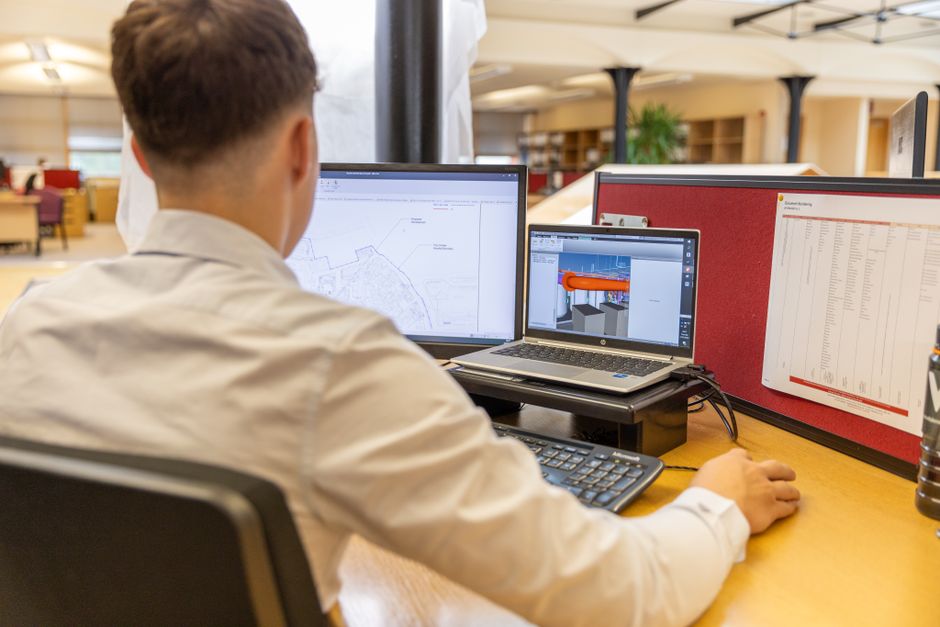
A digital twin is a live, data-connected virtual model of a physical asset, process, or system — not a static 3D drawing, but a model that updates continuously from real sensor data and can be used to simulate changes before they happen on the actual factory floor. For manufacturers, this ranges from twinning a single machine to modeling an entire production line or product lifecycle. The appeal is straightforward: testing a line reconfiguration, a new product variant, or a process change in simulation is dramatically cheaper and faster than testing it with real equipment and real downtime.
Table of Contents
- What Makes a Digital Twin Different From a 3D Model
- Core Use Cases: Line Simulation, Product Design, Process Optimization
- The Data Architecture Behind a Working Twin
- Common Implementation Mistakes
- Sequencing an Implementation
Key Takeaways
- A digital twin's defining feature is the live, bidirectional data connection to its physical counterpart — a model that isn't continuously updated from real sensor data is a simulation, not a twin.
- Production line twins commonly deliver the fastest ROI by letting engineers test layout changes and throughput scenarios in simulation before committing to physical reconfiguration.
- Building a twin requires investment in the same sensor and data infrastructure that predictive maintenance programs depend on, which is why the two initiatives are frequently sequenced together rather than built independently.
- The most common implementation failure is building a highly detailed twin of a single asset while neglecting the systems integration needed to keep it synchronized with real operational data — an accurate-but-static twin loses its value quickly.
What Makes a Digital Twin Different From a 3D Model
A 3D CAD model or a static process flow diagram represents design intent at a point in time. A digital twin is fundamentally different because it is continuously fed live data from the physical system it represents — sensor readings, throughput counts, quality inspection results — and its internal state reflects the actual current condition of the equipment or process, not just its original design specification. This live connection is what allows a twin to be used for simulating future scenarios grounded in real current conditions, rather than idealized design assumptions.
Core Use Cases: Line Simulation, Product Design, Process Optimization
Production line twins let engineers simulate throughput impact of adding a new station, changing a conveyor speed, or rebalancing work between stations, surfacing bottlenecks before any physical change is made. Product twins model a specific product's behavior throughout its lifecycle, commonly used in design validation to simulate stress, thermal, or performance characteristics before physical prototyping, reducing the number of physical prototype iterations needed. Process optimization twins model a broader manufacturing process — a full assembly sequence or a chemical process — allowing engineers to test parameter changes (temperature, speed, sequencing) in simulation and identify optimal settings before applying them to live production.
The Data Architecture Behind a Working Twin
A functioning twin requires the same sensor infrastructure that underpins predictive maintenance programs — IoT sensors capturing real-time operational data — plus a simulation engine capable of modeling the physical behavior of the asset or process being twinned, and an integration layer that keeps the two synchronized continuously rather than through periodic manual updates. Facilities that have already invested in sensor infrastructure for predictive maintenance typically find digital twin initiatives faster and cheaper to stand up, since much of the underlying data pipeline can be reused rather than built from scratch.
Common Implementation Mistakes
The most common failure pattern is investing heavily in simulation fidelity for a single high-profile asset while underinvesting in the systems integration required to keep that twin synchronized with live data — producing an impressive demo that quickly becomes a stale, disconnected model once the initial project team moves on. A second common mistake is starting with an ambitious full-factory twin rather than a bounded pilot on a single line or process, which makes the data integration problem far larger and harder to validate before committing significant budget.
Sequencing an Implementation
Manufacturers generally see the best results starting with a single, well-instrumented production line or a specific high-value product, proving out both the simulation value and the data integration discipline required to keep the twin live, before expanding scope. Pairing a digital twin initiative with an existing or planned predictive maintenance program is a common and efficient sequencing choice, since both depend on the same underlying sensor and data pipeline investment. See also our broader look at real-world AI applications in manufacturing for how digital twins fit into a wider technology roadmap. If you're scoping a digital twin pilot, contact our team.
Frequently Asked Questions
Do we need a full sensor network before starting a digital twin project?
Not for an initial pilot — a bounded scope on a single line or asset can start with the sensors already in place, expanding instrumentation as the twin's scope grows. A full-facility twin does require comprehensive sensor coverage.
How is a digital twin different from traditional simulation software?
Traditional simulation typically runs against modeled or historical data at a point in time. A digital twin maintains a live, continuously updated connection to its physical counterpart's real-time data.
What's the typical starting point for a manufacturer new to digital twins?
A single production line or high-value product is the most common starting scope, allowing the organization to validate both simulation accuracy and data integration discipline before expanding further.
Can digital twins work alongside predictive maintenance programs?
Yes, and they commonly should — both depend on similar sensor and data pipeline infrastructure, and organizations often sequence the two together to avoid duplicating the underlying data investment.
What is the biggest risk in a digital twin implementation?
Building a detailed but disconnected model that isn't kept synchronized with live operational data — without ongoing systems integration investment, a twin's accuracy degrades quickly and it stops reflecting real conditions.
Explore Further